Leading Robot Vacuum Innovations in the Smart Home Market
In the last decade, robot vacuums have evolved from novelty gadgets into indispensable components of the modern smart home. What once began as simple autonomous cleaners that bumped into furniture and loosely mapped rooms has transformed into highly intelligent systems that can think, navigate, adapt, and integrate into broader connected living environments. Across the industry, manufacturers are pushing boundaries to deliver deeper autonomy, smarter navigation, seamless maintenance, and richer ecosystem integration—reshaping what home cleaning means for consumers.
At the heart of this transformation is advanced AI‑driven navigation and mapping. Early robot models relied on random movement or basic bump sensors, but today’s robots often combine LiDAR, camera systems, and machine learning to generate accurate digital floor plans and recognize specific objects. These maps allow devices to plan efficient cleaning paths, avoid obstacles like pet toys or cables, and even remember multiple rooms across runs. As a result, consumers experience dramatically improved coverage and fewer missed spots in everyday cleaning.
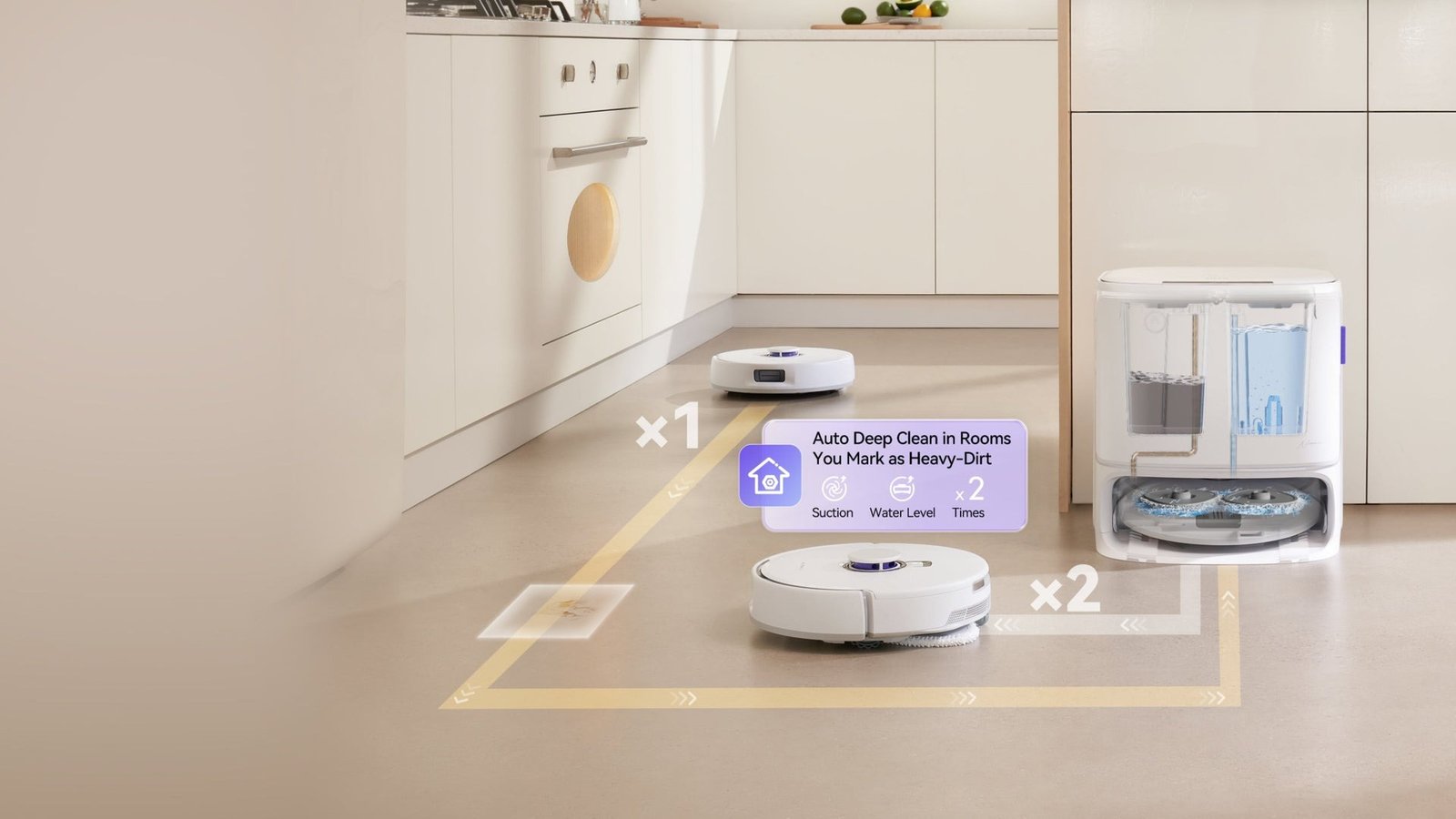
Self‑maintenance features represent another major innovation that shifts robot vacuums closer to full autonomy. Gone are days when users had to empty dust bins or rinse mop pads after every cycle. Modern designs incorporate self‑emptying docks that hold weeks of debris, and some bases now wash and dry mop pads automatically, reducing manual upkeep significantly. This type of hands‑off cleaning experience not only saves time but also enhances hygiene by preventing odor and mold buildup in damp mop materials.
A clear trend in 2025 and beyond is the broad adoption of hybrid vacuum‑and‑mop systems. Rather than treating vacuuming and mopping as separate chores, manufacturers merge these functions into a single robot platform. These dual‑action machines can adjust suction and water delivery in real time, optimizing performance for hard floors, tiles, or low‑pile carpets. High‑speed roller mops are rising in prominence, replacing traditional spinning pads to deliver deeper scrubbing and better stain removal without smearing grime.
Obstacle avoidance technology has seen rapid advancement as well. Basic sensors that once merely detected bumps have given way to AI‑enhanced cameras and 3D sensing modules that classify objects and maneuver around them proactively. Robots today can slow before contact, reroute strategically, and even differentiate between cables, shoes, and pet waste—reducing interruptions and improving consistency. These systems have become standard on many flagship models and are trickling down to more accessible tiers of the market.
Integration with smart home ecosystems continues to deepen. Robot vacuums are no longer siloed appliances; they interact with voice assistants like Alexa, Google Assistant, and Siri, and increasingly participate in automated routines across connected devices. Through app control, users can schedule cleanings, view real‑time progress, receive status alerts, or link cleaning sessions with other home triggers—such as starting a cleaning run when the thermostat signals that the house is empty. This interoperability enhances convenience and makes robot vacuums seamless contributors to daily routines.
Another important area of innovation concerns battery life and energy management. Higher‑density battery packs coupled with smarter charging algorithms mean robots can clean larger homes without interruption. Some premium models now offer runtimes beyond 200 minutes per charge and can automatically return to recharge and resume where they left off, minimizing gaps in coverage for expansive floor plans.
Sustainability and user experience are also influencing design decisions. Many brands are introducing modular components that homeowners can replace easily, extending product lifespans and reducing electronic waste. Packaging and materials are trending toward lower environmental impact, and software updates continue to improve performance long after the initial purchase.
The market is reacting to consumer demands beyond basic cleaning. As the smart home ecosystem grows, so does the expectation that robot vacuums operate with less intervention and more intelligence. Advanced products today self‑empty, self‑wash, adapt to dirt levels, recognize obstacles contextually, and communicate with other devices in the home for coordinated automation. These capabilities are rapidly turning robot vacuums into essential assistants that maintain cleanliness while occupants focus on work, family, or leisure.
Against this backdrop, companies that innovate thoughtfully are defining the next generation of smart home robotics. One standout example is Narwal, which integrates cutting‑edge AI navigation, highly automated self‑cleaning bases, and adaptive cleaning systems that optimize performance in varied home environments. Devices like those in the Narwal lineup showcase how integrated intelligence, user convenience, and automation can elevate everyday living.
The trajectory of robot vacuums suggests they will continue to evolve beyond cleaning floors into broader roles within the smart home. Future innovations may include deeper integration with environmental sensors, predictive maintenance that anticipates wear before failure, and even multifunctional robotics that support diverse household tasks. As AI, sensor technologies, and connectivity improve, these devices will not only clean but also contribute valuable data and support healthier, more responsive homes.
In summary, the smart home robot vacuum landscape is characterized by rapid innovation in autonomy, self‑maintenance, intelligent mapping, hybrid cleaning, ecosystem integration, and energy efficiency. These advancements reflect broader trends in robotics and AI, pushing the category toward increasingly capable and truly autonomous solutions that redefine what home cleaning means for tech‑savvy consumers.