Why Consistent Automated Cleaning Matters More Than Occasional Deep Cleaning
A clean pool does not usually come from one big effort. It comes from a pattern that keeps dirt, leaves, and fine debris under control before they build into a larger problem. Many homeowners still rely on occasional deep cleaning because it feels productive. They wait until the pool looks obviously dirty, then spend extra time correcting the mess. That approach can work for a short moment, but it rarely creates stable results. In most residential settings, consistent automated cleaning is more useful because it supports a cleaner pool with less buildup, less pressure, and fewer surprise maintenance sessions.
Deep Cleaning Looks Effective, but It Often Solves Problems Too Late
To understand why consistency matters more, it helps to look at what deep cleaning actually does in day-to-day pool care.
Visible dirt usually means the pool is already behind
By the time debris is easy to see, the pool has often been slipping for several days. Leaves may already be breaking apart. Fine dirt may already be spread across the floor. Corners and steps may already be holding material that is harder to remove than it first appears.
This is why deep cleaning can be deceptive. It feels strong because the result is visible. But in many cases, it is correcting a problem that had more time than it should have had.
Big cleaning sessions often create a cycle of neglect and recovery
Many homeowners fall into the same pattern. The pool looks acceptable, so cleaning gets delayed. Then the pool begins to look worse, so a larger cleaning session becomes necessary. After that, the pool looks good again, and the cycle repeats.
This rhythm is common, but it is not efficient. It makes pool care feel heavier than it needs to be. It also creates uneven results, because the pool swings between clean and neglected instead of staying in a more stable condition.
Consistent Cleaning Prevents Small Problems From Turning Into Bigger Ones
This is where a steady automated routine changes the picture. Instead of reacting late, it helps manage debris earlier and more regularly.
Early removal is usually easier than later correction
A pool is easier to maintain when dirt is removed before it settles deeply or spreads to harder-to-clean areas. Fine particles are less likely to collect along the floor. Organic debris has less time to break down. Surface buildup is less likely to cling to walls or steps.
That is the practical advantage of consistency. It does not wait for the mess to become obvious. It works on the pool while the maintenance load is still small.
Regular upkeep creates a cleaner baseline
When cleaning happens on a more predictable schedule, the pool stays closer to a usable condition throughout the week. That does not mean it will always look perfect. It means the pool is less likely to fall far behind.
That stable baseline matters because every future cleaning session becomes easier. The owner is maintaining control, not trying to recover it.
Automation Fits Better With Real Residential Life
For many homeowners, the real problem is not knowing that the pool needs care. The real problem is finding time and energy for repeated manual work.
Busy schedules do not support constant catch-up work
Most people do not want their weekends to become recovery time for pool maintenance. Work, family routines, weather, and other yard tasks already compete for attention. When cleaning is left until the pool looks bad, the job often feels too large for an ordinary day.
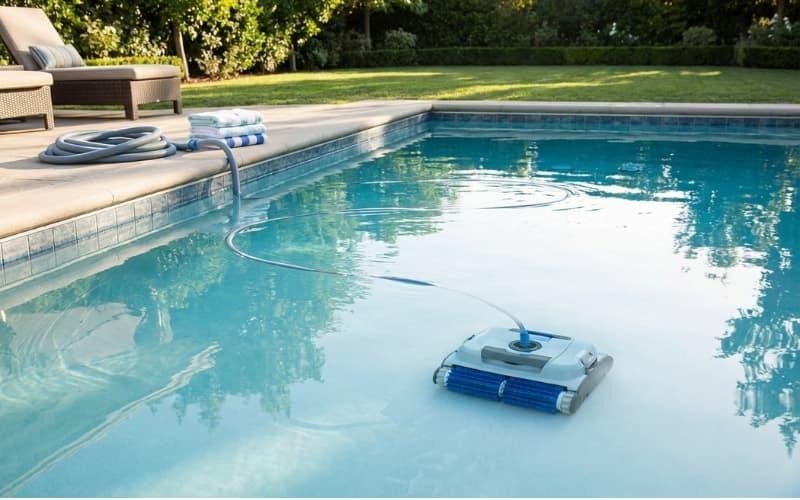
This is one reason a robotic automatic pool cleaner fits so well into a more practical maintenance pattern. It helps support regular upkeep without requiring the owner to treat every cleaning session like a major task.
Low-friction routines are easier to repeat
Consistency depends on habit, and habit depends on convenience. A pool care routine is more likely to last when it fits into normal life without much friction. If the process feels too demanding, it gets delayed. Once it gets delayed, deeper cleaning becomes necessary again.
Automation helps break that cycle. It supports a routine that is easier to continue even during busy weeks.
Occasional Deep Cleaning Does Not Always Improve Long-Term Results
A strong one-time cleaning result can look impressive, but it does not always lead to better pool conditions over time.
A pool can look clean and still be unstable
Right after a deep cleaning session, the pool may look excellent. But that snapshot does not show how quickly debris may return or how uneven the maintenance rhythm has become. If the pool needs another large effort a few days later, the first result was less valuable than it seemed.
Long-term performance is not about one clear day. It is about how well the pool holds up between cleaning sessions.
Heavy sessions can hide routine weaknesses
Deep cleaning can also hide the fact that the overall maintenance system is not working well. A homeowner may believe the pool is under control because the occasional large session fixes the appearance for a while. But if debris buildup keeps repeating, the system is still too reactive.
That is why a quieter, more regular approach often produces better ownership results than dramatic correction.
Consistency Reduces Manual Pressure Across the Season
The benefit of regular automated cleaning is not only about the water. It also changes how much pressure the homeowner feels over time.
Smaller maintenance loads feel easier to manage
A small amount of debris handled early is easier than a large amount handled late. This sounds simple, but it changes the whole maintenance experience. The owner is less likely to face an exhausting cleanup after a storm, a busy week, or a period of heavy pool use.
Instead of large maintenance spikes, the routine becomes more even. That usually feels more manageable and more sustainable.
Less buildup means fewer urgent cleaning decisions
Homeowners often feel stress when they are not sure how bad the pool will look after a few missed days. Will the floor be covered? Will the corners need extra work? Will guests arrive before there is time to fix it?
Consistent cleaning lowers this uncertainty. It helps keep the pool in a more predictable range, which reduces the number of urgent maintenance decisions.
A More Stable Pool Is Usually More Enjoyable to Own
Pool care should support pool use, not compete with it. That is another reason consistency matters so much.
Pools get used more when they stay closer to ready
Families are more likely to enjoy the pool when it looks inviting on ordinary days, not just after a major cleaning effort. A pool that stays nearer to ready condition is easier to use on short notice. That could mean a quick swim after work, a quiet morning outside, or a weekend visit from friends.
The less recovery work required, the more often the pool feels available.
Better rhythm improves the whole ownership experience
In the end, good pool care is not only about cleanliness. It is also about predictability, effort, and peace of mind. A pool that needs constant rescue work can start to feel like a burden. A pool that stays under control with steady support feels far easier to live with.
That difference comes from rhythm more than intensity.
Consistency Usually Delivers More Value Than Occasional Effort
Consistent automated cleaning matters more than occasional deep cleaning because it addresses the real challenge of pool ownership: keeping the pool under control before maintenance becomes heavy. Deep cleaning may look powerful, but it often arrives after dirt has already had time to spread and settle. Regular automated cleaning works earlier, more often, and with better long-term effect.
For most homeowners, that steady approach brings more practical value. It reduces buildup, lowers manual pressure, and helps the pool stay in a more predictable condition through the week. Over time, that kind of consistency does more than save effort. It makes the pool easier to enjoy, easier to manage, and easier to keep clean without constant catch-up.