Analyzing Serie A Teams That Finish Set Pieces Effectively
Set pieces in Serie A are not marginal events. For many teams, they represent a repeatable scoring pathway built on structure, timing, and exploitation of defensive habits. Teams that consistently score from corners and free kicks do so not because of isolated aerial strength, but because they treat dead-ball situations as rehearsed attacking phases with defined roles and outcomes.
Set-piece efficiency is a structural skill, not a statistical accident
Teams that convert set pieces regularly show consistency across seasons and opponents. The cause is systemic preparation rather than short-term variance. The outcome is reliable shot quality from dead-ball situations. The impact is scoring resilience, especially in matches where open-play chances are limited.
This reliability makes set pieces disproportionately valuable in low-margin Serie A fixtures.
Delivery quality determines whether routines survive defensive preparation
Even the best movement patterns collapse without precise delivery. Serie A teams that finish set pieces well invest heavily in ball-striking consistency. The cause is technical prioritization. The outcome is repeatable ball trajectories. The impact is allowing attackers to attack space rather than react to imperfect service.
This reduces defender advantage, as timing favors the attacking run rather than the clearance.
Attacking roles are layered to confuse marking schemes
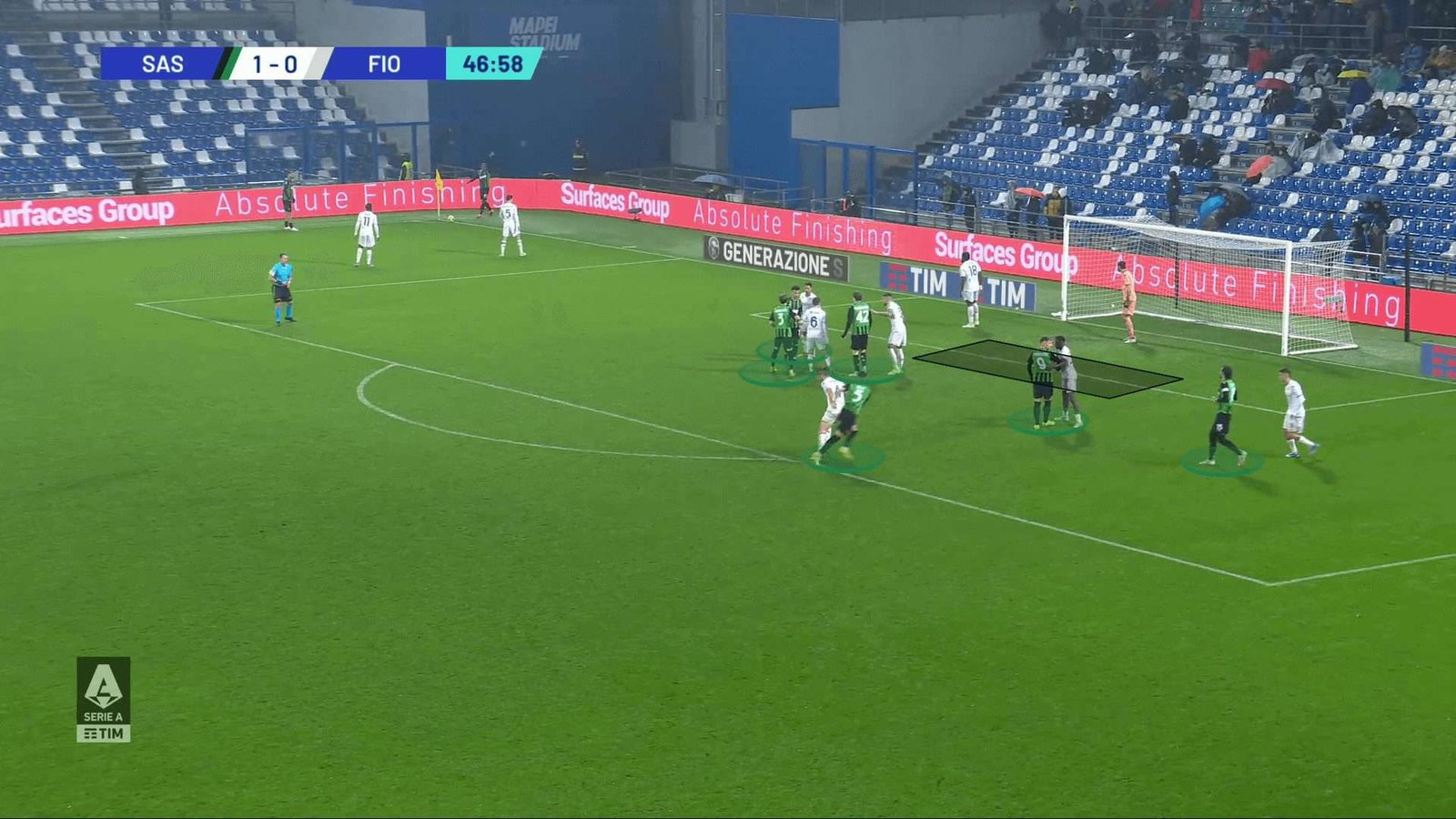
Effective set-piece teams rarely send all threats to the same zone. Instead, they stagger runs across near-post, central, and far-post channels. The cause is intentional layering. The outcome is forcing defenders to make split-second decisions. The impact is creating free runners even against man-oriented marking.
Mechanism: how layered runs disrupt defensive reference points
When one attacker drags a marker across zones while another attacks the vacated space, defensive responsibility blurs. The mechanism exploits communication delay, not physical mismatch.
Why some teams score despite lacking obvious aerial dominance
Set-piece success is not limited to tall squads. Many Serie A teams convert through second balls, rebounds, and delayed shots rather than direct headers. The cause is anticipation. The outcome is high-value attempts after initial contact. The impact is neutralizing height disadvantages through positioning.
Before outlining the patterns, it is important to understand that finishing set pieces often comes from sequence continuation, not the first touch.
Common scoring patterns from effective Serie A set pieces:
- Near-post flick-ons creating chaos
- Delayed edge-of-box shots from clearances
- Far-post overloads after central decoys
- Screens that block defender recovery paths
- Second-phase crosses after partial clearances
Interpreting these patterns shows that goals often arrive from the second action. Teams that stay organized after the initial delivery outperform those that treat the moment as finished.
Defensive discipline of opponents shapes set-piece yield
Set-piece efficiency is also opponent-dependent. Teams score more against sides that defend zonally without aggressive stepping or that hesitate between man and zone coverage. The cause is indecision. The outcome is free attacking lanes. The impact is inflated conversion rates against structurally uncertain defenses.
Strong set-piece teams identify these weaknesses quickly and repeat the same routines.
Reading set-piece threat during live match situations
From a live game reading perspective, set-piece danger is visible before goals occur. When attackers consistently win first contact or when defenders clear without distance, pressure is building. The warning signs are positional, not numerical.
Under situational conditions where repeated corners or wide free kicks emerge, observing market behavior through a betting interface such as ufabet living benefits from understanding set-piece structure. If deliveries remain consistent and attacking movement continues to disorganize defenders, scoring probability rises even without immediate shots on target. The cause is sustained structural advantage, the outcome is delayed payoff, and the impact is that markets may underestimate dead-ball threat until conversion occurs.
Data indicators that confirm genuine set-piece strength
To distinguish real proficiency from short-term spikes, process metrics matter. The table below highlights indicators that align with sustainable set-piece success.
Before reviewing it, note that these indicators stabilize over time rather than fluctuating match to match.
| Indicator | What it reveals | Why it matters |
| Set-piece xG per attempt | Chance quality | Filters volume bias |
| First-contact win rate | Timing effectiveness | Enables sequences |
| Second-ball recoveries | Organization | Sustains pressure |
| Shot location from set pieces | Finishing zones | Predicts conversion |
| Routine variation | Preparation depth | Limits defensive adaptation |
The interpretation is that strong set-piece teams control both initiation and continuation. When these indicators align, scoring becomes repeatable.
Where set-piece efficiency breaks down
Even elite set-piece teams face failure cases. Fatigue reduces jump timing, while refereeing style can limit physical screening. Another breakdown occurs when opponents aggressively attack the delivery point, disrupting service before patterns unfold. The cause is external constraint. The outcome is neutralized routines. The impact is reliance on open play until adjustments are made.
Set-piece success requires constant adaptation, not static repetition.
Summary
Serie A teams that finish set pieces well do so through structured delivery, layered movement, and disciplined second-phase organization rather than sheer physical dominance. Their success reflects preparation and role clarity, making dead balls a reliable scoring source in tight matches. When execution and continuation align, set pieces become one of the league’s most dependable attacking weapons.