Bhulekh Odisha Plot Details Map: Check RoR & Naksha Online 2026
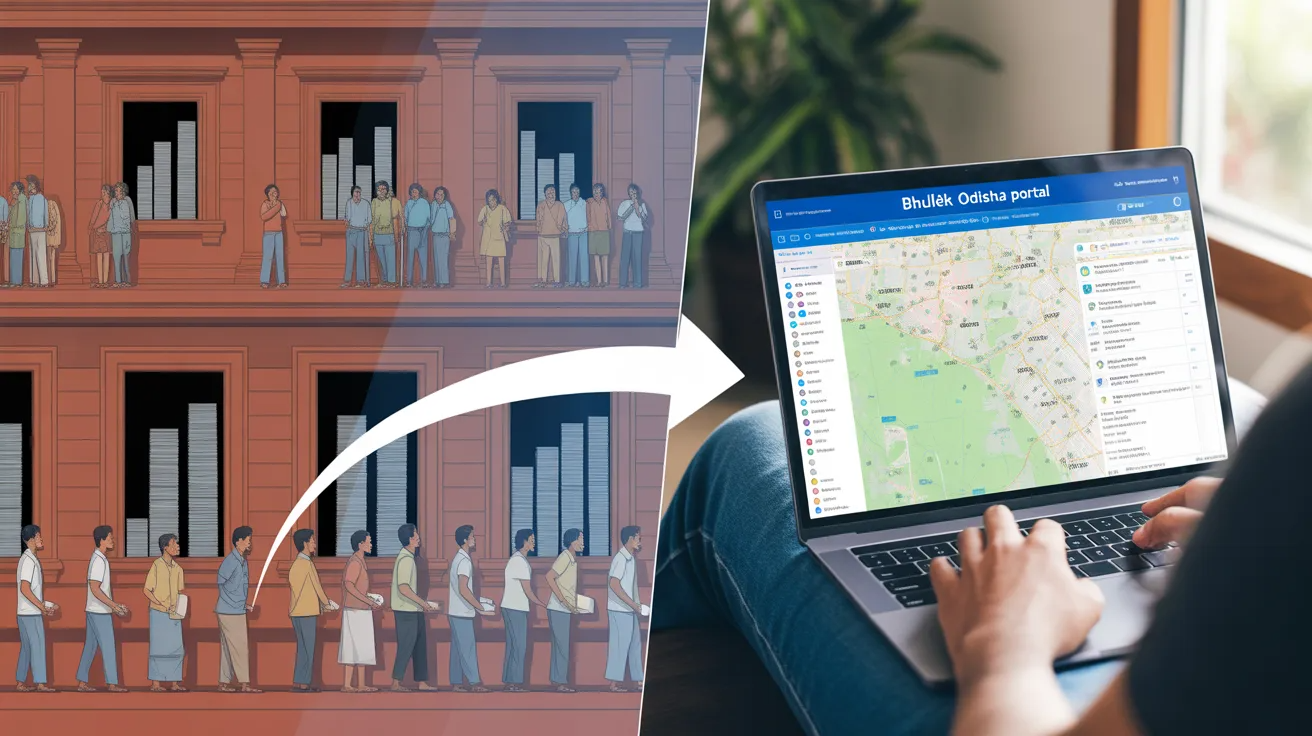
Checking land records in Odisha used to mean many trips to government offices. You would wait in long lines just to see a small piece of paper. But things have changed for the better! Now, you can find your bhulekh odisha plot details map right from your home. Whether you are buying new land or checking your family property, the bhulekh odisha portal makes it very simple.
In this guide, I will show you the easiest way to use the www bhulekh odisha website. You will learn how to see your Record of Rights (RoR) and how to download the bhulekh odisha naksha. It is all about making land details clear and fast for everyone. Let’s dive into the steps and see how you can become an expert at finding your land info online.
What is Bhulekh Odisha?
The bhulekh odisha system is a digital database created by the state government. It stores all the important information about land and owners in one place. Instead of keeping physical registers that can get lost, the bhulekh odisha nic in website keeps everything safe online. This system helps stop fraud because anyone can verify the owner of a plot.
When you visit the site, you can find the bhulekh odisha ror, which is the most important document for any landowner. It shows who owns the land, how big the plot is, and if there are any loans against it. Using the bhulekh odisha portal, you can search for these details using your name, khatiyan number, or the plot number itself.
How to Check Bhulekh Odisha Plot Details Map
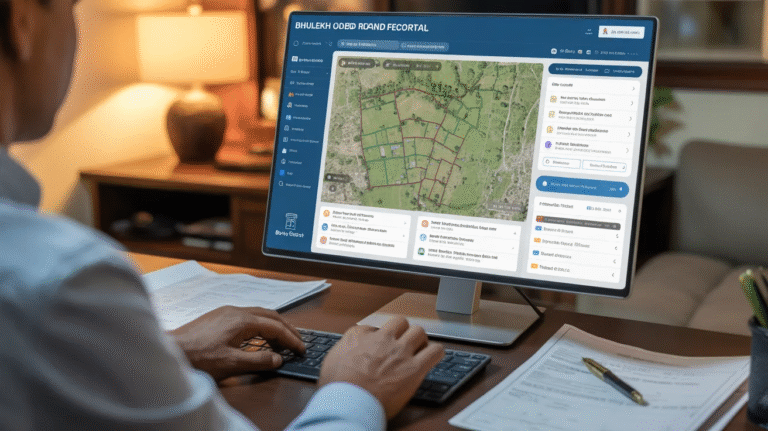
To see your bhulekh odisha plot details map, you need to visit the official “Bhu-Naksha” section. This is a special tool that shows a visual map of every village in the state. When you use the bhulekh odisha map view, you can see the exact boundaries of your land. This helps you understand where your property starts and ends compared to your neighbor’s land.
First, go to the main website and look for the “Map View” button. Once you click it, you will see a map of Odisha. You then select your district, subdivision, and village. The bhulekh odisha village map will load, showing all the plots with numbers. You can click on your specific plot number to see more details. It is a very helpful way to visualize your property without going to the field.
Steps to View Bhulekh Odisha RoR Online
Getting your bhulekh odisha ror view is the first step most people take. The RoR (Record of Rights) is the legal proof that you own the land. To view it, follow these simple steps on the portal:
- Select your District and Tahasil.
- Choose your Village and RI Circle.
- Select one of the three options: Khatiyan, Plot, or Tenant.
- If you select “Plot,” enter your bhulekh odisha plot number.
- Click on “RoR Front Page” to see your details.
This process is very fast and takes only a few minutes. If you need a copy for your records, you can choose the bhulekh odisha plot details map pdf download option. This allows you to save the document on your phone or computer. Having a digital copy is great for showing to banks or during property sales.
Quick Summary of Bhulekh Odisha Services
| Feature | Description |
| Official Portal | bhulekh.ori.nic.in |
| Main Document | Record of Rights (RoR) |
| Map Tool | Bhu-Naksha / Map View |
| Search Options | Plot Number, Khatiyan, or Name |
| Year Updated | bhulekh odisha map 2025 and 2026 records |
| Mobile Access | Available via web browser |
Finding Plot Details by Name
Sometimes, you might forget your plot number. Don’t worry! You can still search for bhulekh odisha plot details by name. This is very useful if you are looking for ancestral property. On the ROR section of the website, choose the “Tenant” option. Then, type the name of the owner.
The system will show a list of names that match. Once you find the right name, click on it to see the bhulekh odisha plot details. This will give you the Khata number and all plot numbers linked to that person. If you want to keep this information, you can get the bhulekh odisha plot details by name pdf for easy printing later.
Understanding Bhulekh Odisha Mutation
If you buy or sell land, you must update the records. This process is called bhulekh odisha mutation. It officially transfers the name of the owner from the seller to the buyer. Without mutation, the government records will still show the old owner’s name, which can cause big problems later.
You can check the status of your application on the website. Just look for the mutation case status link. It usually takes some time for the Revenue Officer to verify the documents. Once it is approved, your new bhulekh odisha ror will be generated with your name on it. Keeping track of this is very important for legal safety.
How to Download Village Maps and Naksha
The bhulekh odisha naksha is a detailed drawing of the land. It is different from the RoR because it is a picture, not just text. To download the bhulekh odisha plot details map pdf, you should use the Bhu-Naksha portal. This site is specifically designed for high-quality maps.
Once you find your plot on the map, look for the “Report” or “Print” button on the left side. This will generate a bhulekh odisha plot details map pdf that shows your plot and the surrounding area. Many people use these maps for fencing their land or for getting building approvals from local authorities.
Tips for Using the Portal Successfully
Using the bhulekh odisha bhulekh odisha portal is easy, but here are some tips to make it better. First, make sure you have a good internet connection. The maps can be large and might take a moment to load. Second, always double-check the spelling of your village or tahasil.
If the website feels slow, try using it early in the morning or late at night. Sometimes many people use the bhulekh odisha map service at once, which can slow down the servers. Also, keep your plot number or Khata number written down in a safe place. This makes every search much faster next time you log in.
Why You Should Check Your Records Regularly
It is a good habit to check your bhulekh odisha plot details at least once a year. This helps you ensure that no unauthorized changes have been made to your land records. It also helps you see if any new government schemes or updates have affected your area.
By staying updated with the bhulekh odisha map view, you stay in control of your property. If you find any mistakes in the name or the area of the plot, you can contact your local Tahasil office immediately. Being proactive protects your investment and gives you peace of mind.
Conclusion
The bhulekh odisha plot details map is a powerful tool for every citizen. It brings transparency and trust to land dealings in the state. By following the steps in this guide, you can easily find your RoR, view your village map, and track mutation cases. No more waiting in long lines or dealing with middle-men. Everything you need is right on the bhulekh odisha portal. Go ahead and check your land records today to stay informed and secure!
Frequently Asked Questions (FAQs)
How can I check my land map in Odisha?
You can check your land map by visiting the Bhulekh Odisha website and clicking on the “Map View” tab. Select your district and village to see the graphical plot details.
What is the RoR in Bhulekh Odisha?
RoR stands for Record of Rights. It is a document that contains all the details about the land owner, land area, and land history. It is the primary proof of ownership.
Can I download the plot map in PDF format?
Yes, after finding your plot on the Bhu-Naksha section of the portal, you can click on the report option to generate and download a PDF version of the map.
Is there a fee to view land records online?
Viewing the land records and maps on the official portal is usually free for everyone. However, if you need a certified copy from the office, there might be a small fee.
What if my name is wrong on the Bhulekh website?
If you find a mistake in your records, you should visit the nearest Tahasil office with your original property documents to apply for a correction in the RoR.
How do I search for land records using a plot number?
Go to the RoR section, select your location details, click on the “Plot” radio button, enter your specific plot number, and click search to see the details.