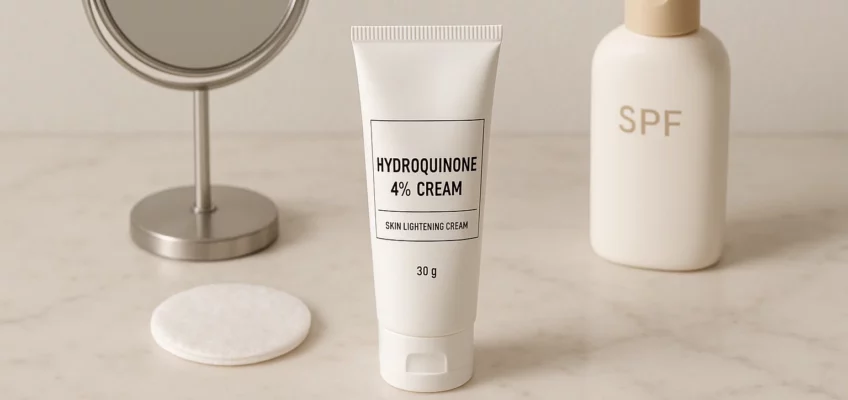
Hydroquinone 4% Cream: How Long It Takes to See Results and Use It Safely
Dark spots, melasma, and post-inflammatory hyperpigmentation are among the most common pigment concerns treated in dermatology. Hydroquinone 4% cream remains a reference treatment because it directly targets melanin production and delivers predictable, clinically supported results when used correctly.
This article explains how hydroquinone 4% works, how long it takes to see improvement, and how to use it safely.
How Hydroquinone 4% Works on Hyperpigmentation
Hydroquinone reduces pigmentation by inhibiting tyrosinase, the key enzyme involved in melanin synthesis. With reduced melanin production, existing dark patches gradually fade as skin renews itself.
Main effects include:
- Decreased melanin formation
- Gradual lightening of dark spots
- Improved overall skin tone uniformity
- Enhanced results with strict sun protection
Hydroquinone works progressively rather than instantly, which is why consistency is essential.
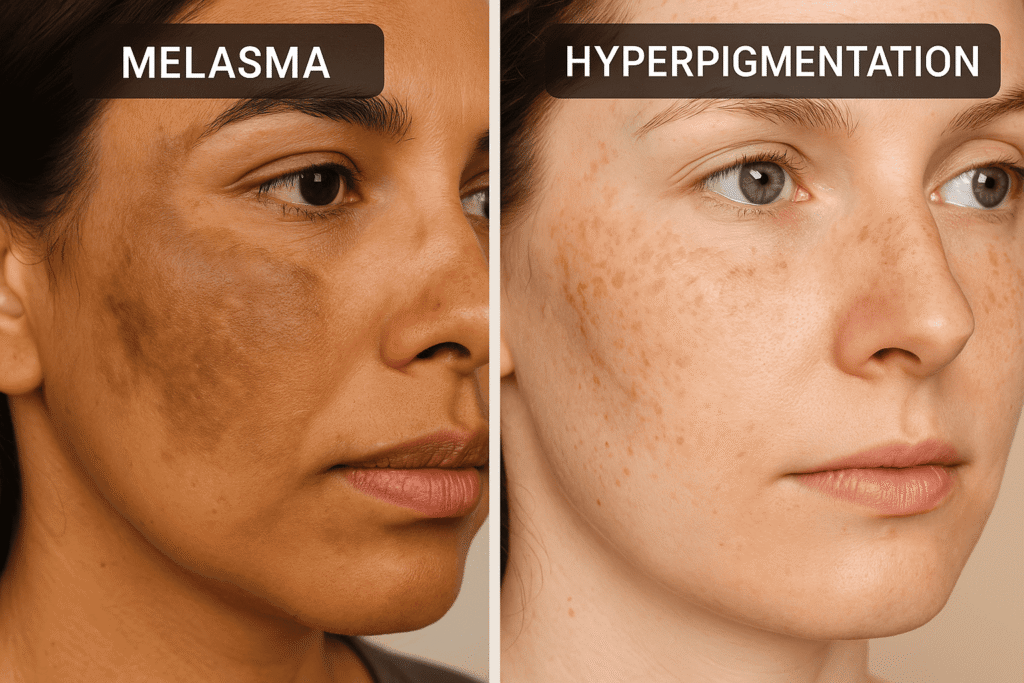
When Results Usually Appear
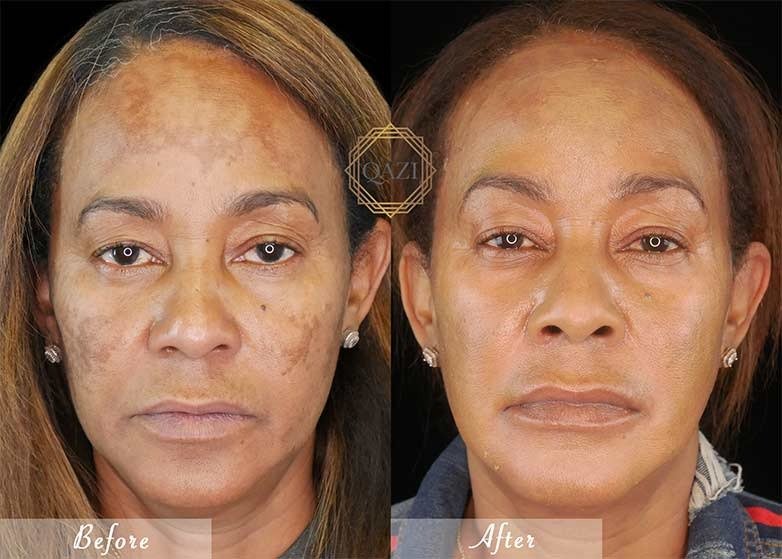
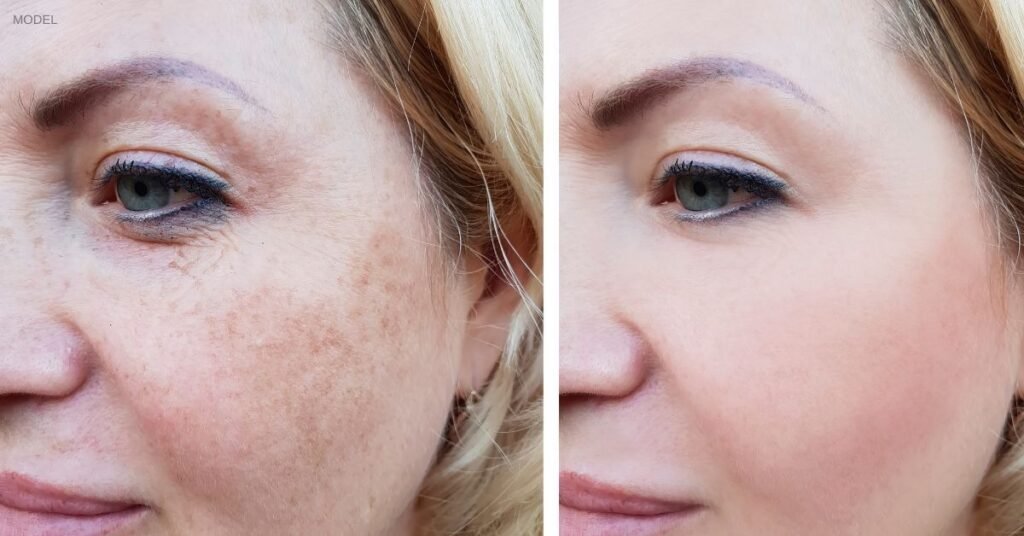
Most users begin to see visible improvement within 4 to 8 weeks of regular use. Maximum improvement typically occurs after several months, depending on the depth and cause of pigmentation.
Factors influencing results include:
- Type of hyperpigmentation
- Consistency of application
- Daily sun exposure and sunscreen use
- Skin type and treatment history
Dermatologists often reassess treatment after a defined course rather than continuous long-term use.
According to PubMed, hydroquinone remains the gold standard topical therapy for melasma and hyperpigmentation, with extensive clinical evidence supporting its effectiveness when used appropriately.
How to Use Hydroquinone 4% Safely
To reduce the risk of irritation and side effects:
- Apply once or twice daily to dark areas only
- Avoid application on normal surrounding skin
- Always use broad-spectrum sunscreen
- Follow recommended treatment duration
Sun exposure without protection can reduce effectiveness and worsen pigmentation.
Possible Side Effects
Hydroquinone is generally well tolerated when used correctly. Possible side effects include:
- Mild redness or irritation
- Temporary dryness or peeling
- Rare risk of ochronosis with prolonged misuse
Limiting treatment duration and following guidance significantly reduces risk.
Choosing a Hydroquinone 4% Product
Consistency and formulation quality play a major role in outcomes. A commonly used medical-strength option is:
👉 hydroquinone 4% cream
https://okdermo.com/product/4-hydroquinone-cream-melalite-30g/
This concentration is widely used for moderate to severe hyperpigmentation under controlled treatment courses.
Who Should Avoid Hydroquinone?
Hydroquinone may not be suitable for:
- Pregnant or breastfeeding women
- Individuals with very sensitive or damaged skin
- Patients unable to commit to daily sun protection
A dermatologist should evaluate suitability before treatment.
Conclusion
Hydroquinone 4% remains one of the most effective treatments for melasma and hyperpigmentation when used for appropriate durations and with proper sun protection. Understanding realistic timelines and safe use is key to achieving even, long-lasting results.
With consistency and care, hydroquinone can significantly improve skin tone and confidence.